
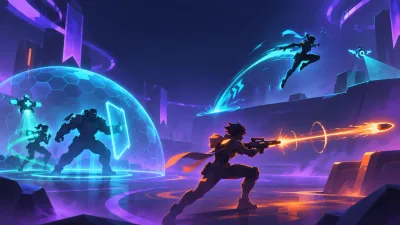
Overwatch 2 Hero Specific Helpers Explained
Explore why Overwatch 2 searches include hero specific helpers and what a useful feature description should clarify before naming individual heroes.
“Hero-specific helper” is a useful search phrase because Overwatch is not built around one weapon or one movement pattern. It has a broad hero roster, distinct roles, and abilities that change how a player approaches a fight. A reader searching this phrase may want a per-hero feature list, a general explanation, or a way to compare tools across roles.
General tools versus hero-specific helpers
A general aim or awareness feature is described at the product level. A hero-specific helper is narrower. It should explain which hero, ability, weapon, or decision context it addresses. Without that detail, “hero-specific” is only a category label.
The supplied project brief confirms hero-specific helpers as a product feature family. It does not name any heroes or describe any profile, ability, or role behavior. The draft can therefore explain why the term matters, but it should not fill the gap with guessed hero coverage.
Why precise wording matters in Overwatch
The official game site groups heroes into roles such as Tank, Damage, and Support, and describes different responsibilities for each role. That context explains why a reader may expect a helper to behave differently across heroes. It does not prove that a product supports every role or any particular hero.
A useful feature page should say whether its hero-specific wording is:
- a named product feature family
- a list of documented heroes
- a general description of configurable profiles
- a future or unverified idea
Keeping those categories separate helps the reader and makes future updates easier.
A practical evaluation checklist
Ask these questions before publishing a hero claim:
- Is the hero named in the approved product source?
- Is the helper tied to a feature that is also documented?
- Does the page explain the helper's purpose in plain language?
- Is the claim current for the game's live version?
- Does the wording avoid implying a result or coverage that was not supplied?
If the answer to the first question is no, keep the article at the feature-family level. That is more honest and still answers the searcher's main question.
Continue to the current product wording
Check the current hero helper description for the approved feature-family language. Named heroes and per-hero details should be added only after they are supplied and verified.